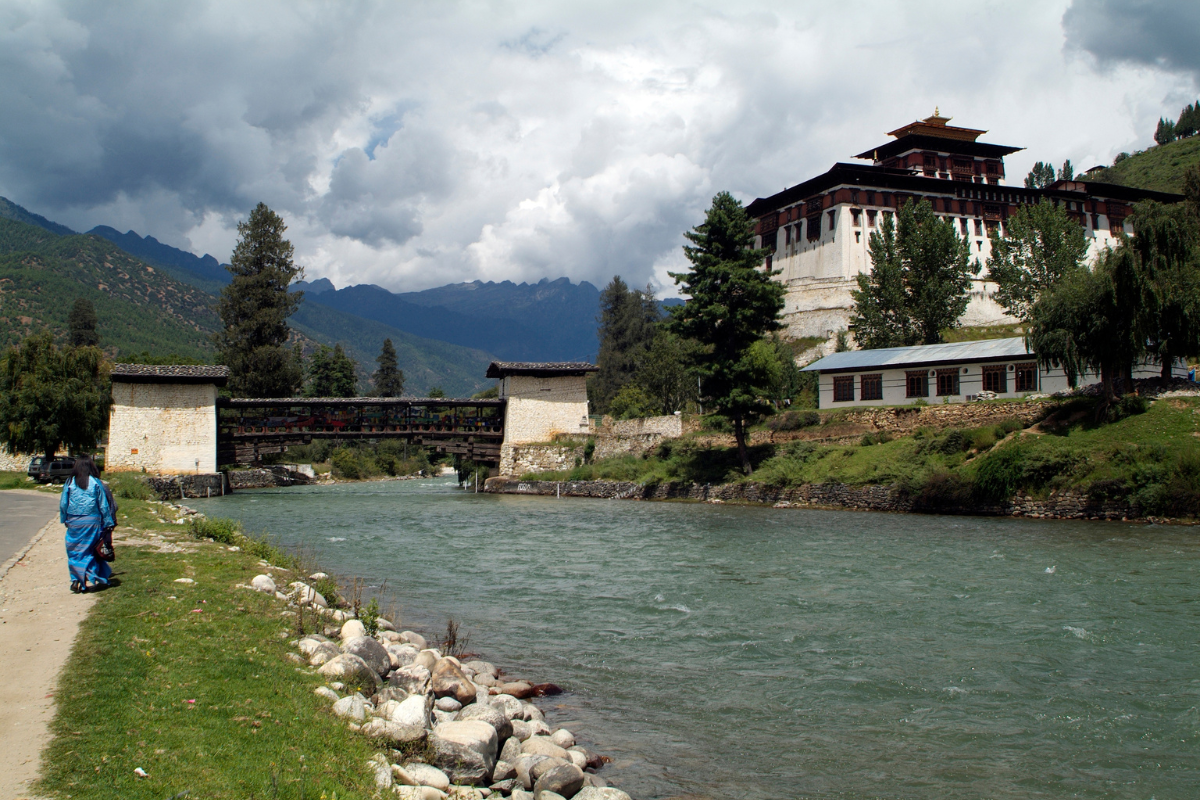
Travelling to Bhutan from Australia offers a rare opportunity to explore one of the world’s most serene and culturally rich destinations. Nestled in the eastern Himalayas, Bhutan is renowned for its stunning landscapes, vibrant festivals, and strong commitment to preserving its heritage and environment.
However, visiting this Himalayan kingdom requires careful planning and adherence to specific rules and regulations. Independent travel is not permitted, so all tourists must book through a licensed operator.
Choosing the best Bhutan travel agency ensures a safe, seamless, and culturally respectful experience. Understanding Bhutan’s visa requirements, local laws, sustainable tourism practices, and cultural etiquette is essential for Australians planning their trip. This guide outlines the key rules for tourists, helping those who want to travel to Bhutan from Australia navigate the country responsibly while making the most of an unforgettable journey.
Travel to Bhutan from Australia: Rules for Tourists in Bhutan
Travelling to Bhutan from Australia requires careful preparation, particularly regarding visas and entry regulations. Bhutan does not permit independent travel for tourists; all visits must be arranged through a licensed Bhutanese tour operator. Your tour agency will handle the visa application once your itinerary and accommodation are confirmed, ensuring full compliance with Bhutanese requirements.
Australian travellers must provide a valid passport with at least six months’ validity from the date of entry. The visa is generally issued as an electronic confirmation and must be presented upon arrival in Bhutan.
In addition to the visa, tourists are required to pay a daily Sustainable Development Fee (SDF), usually included in tour packages. This fee supports Bhutan’s infrastructure, healthcare, cultural preservation, and environmental initiatives, making tourism both sustainable and beneficial to local communities.
Tips for a smooth visa process:
- Submit your application at least one month in advance to allow sufficient processing time.
- Ensure all travel documents, including passport copies and itinerary details, are accurate and complete.
- Confirm all arrangements through the best Bhutan travel agency to avoid delays or complications.
By following these steps, Australians can ensure a hassle-free entry into Bhutan and start their journey fully prepared to enjoy the country’s unique landscapes and cultural heritage.
Travel Packages and Tour Agencies
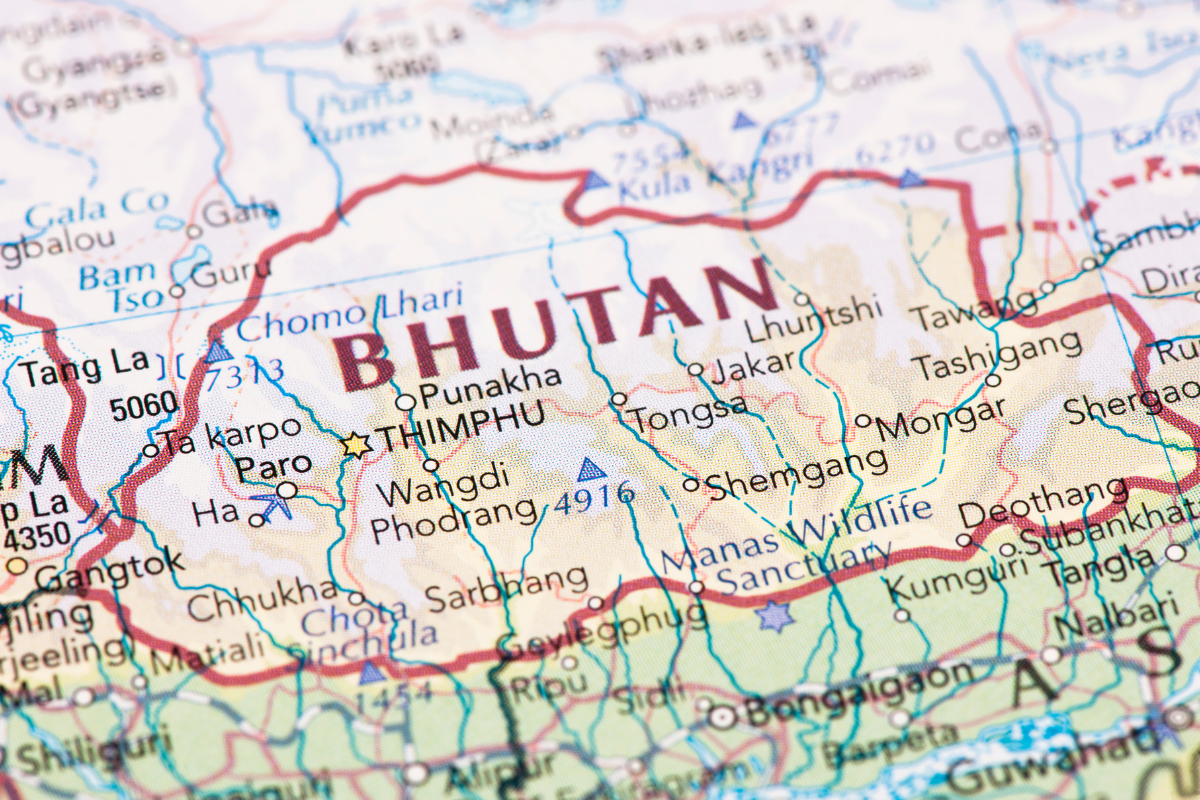
Bhutan’s tourism policy is built around a “high-value, low-impact” approach, prioritising quality experiences over mass tourism. This means that, unlike budget backpacking, most travellers rely on structured packages organised by licensed tour operators. For Australians planning to travel to Bhutan from Australia, choosing the best Bhutan travel agency is crucial for a smooth and worry-free journey.
A reputable agency handles all logistical details, including visa applications, booking accommodations and transportation, and providing knowledgeable guides familiar with Bhutanese culture, history, and local practices. They also ensure that travellers remain compliant with local laws and cultural norms, avoiding any unintentional breaches of rules or etiquette.
Tour packages usually cover guided tours, local meals, and transport between cities and remote regions, allowing visitors to focus on experiencing Bhutan’s landscapes, traditions, and festivals without logistical stress. Working with a licensed agency guarantees safety, convenience, and a culturally immersive experience while respecting Bhutan’s sustainable tourism regulations.
By relying on the expertise of a professional tour operator, Australians can enjoy a seamless, educational, and enriching journey through Bhutan’s unique and serene environment.
Sustainable Tourism Practices
Bhutan places sustainability and environmental preservation at the core of its tourism philosophy, ensuring that travel contributes positively to both nature and local communities. For Australians planning to travel to Bhutan from Australia, understanding and following these guidelines is essential to a responsible and enriching visit.
Reducing plastic usage: Visitors are encouraged to carry reusable water bottles and avoid single-use plastics. This helps protect Bhutan’s pristine landscapes, rivers, and forests from pollution.
Supporting local communities: Purchasing handicrafts, souvenirs, and goods directly from local artisans supports traditional craftsmanship and keeps economic benefits within the community, rather than relying on imported products.
Minimising environmental impact: When trekking or exploring natural areas, stick to designated paths and avoid disturbing wildlife or sensitive ecosystems. This preserves the integrity of Bhutan’s unique landscapes.
Responsible waste management: Dispose of rubbish in designated bins and avoid littering temples, streets, or natural parks. Simple actions like these contribute to a cleaner and safer environment for all visitors.
By adopting these sustainable practices, travellers actively contribute to Bhutan’s preservation efforts, ensuring that its cultural heritage, wildlife, and breathtaking scenery remain protected for future generations to enjoy. Following these principles allows for a meaningful and respectful journey while promoting environmental stewardship.
Cultural Etiquette and Local Customs
Understanding Bhutanese culture is essential for a respectful and meaningful visit. Bhutan places great importance on modesty, humility, and spiritual reverence, making it crucial for Australians planning to travel to Bhutan from Australia to observe local customs carefully.
Dress appropriately: When visiting temples, monasteries, or traditional villages, cover shoulders and knees. Modest clothing demonstrates respect for religious and cultural norms.
Remove shoes: It is customary to remove shoes before entering temples or sacred spaces. This practice maintains the sanctity of these spiritual sites and shows awareness of local traditions.
Respect religious symbols: Do not touch sacred objects, prayer wheels, or monks without explicit permission. Interfering with religious items is considered highly disrespectful.
Seek consent for photography: Always ask before photographing people, particularly in rural villages or during religious ceremonies. This shows consideration for personal privacy and cultural sensitivity.
Show humility: A slight bow when greeting elders, monks, or hosts conveys respect and aligns with Bhutanese social etiquette.
By following these cultural guidelines, travellers not only avoid unintentional offense but also gain a deeper appreciation of Bhutan’s rich heritage and spiritual traditions. Observing these practices enhances your experience and fosters meaningful connections with the local community.
Health and Safety Guidelines
Bhutan’s mountainous terrain and high altitudes can present health challenges for travellers, making preparation essential for a safe and enjoyable visit. For Australians planning to travel to Bhutan from Australia, understanding these risks and taking preventive measures is key.
Acclimatisation: Many regions, including Paro, Thimphu, and Bumthang, are at significant elevations. Spending the first day or two at moderate altitudes allows your body to adjust, reducing the likelihood of altitude sickness, headaches, or fatigue.
Hydration: Drinking plenty of water is crucial, especially in dry winter months or during trekking. Staying hydrated helps maintain energy levels and supports overall well-being.
Medication: Carry basic medication for common issues such as headaches, colds, or digestive discomfort. This ensures minor health problems do not disrupt your trip.
Travel insurance: Comprehensive travel insurance is strongly recommended to cover medical emergencies, hospital visits, or unexpected incidents.
Sun protection: Even in cooler months, UV exposure is high in the mountains. Sunscreen, sunglasses, and protective clothing help prevent sunburn and skin damage.
Being proactive about health, including gradual acclimatisation, proper hydration, and protective measures, ensures a safe, comfortable, and enjoyable journey, whether exploring towns, hiking, or attending festivals.
Transportation and Road Rules
Travel within Bhutan is typically organised through a licensed tour operator, ensuring both safety and convenience for visitors. Bhutan’s mountainous terrain and winding roads make self-driving challenging, particularly for those unfamiliar with high-altitude conditions.
Follow seatbelt regulations: Seatbelts are mandatory in all vehicles, including taxis, buses, and private cars. Observing these rules is essential for personal safety and compliance with local laws.
Drive cautiously: Roads can be narrow, steep, and winding, requiring careful navigation. Inexperienced drivers should avoid attempting to drive themselves. Instead, rely on professional drivers provided by your tour agency, who are well-versed in local conditions.
Travel time considerations: While distances between destinations may appear short on a map, mountainous roads often extend travel times. Planning itineraries with realistic travel durations ensures a smoother journey.
Use licensed vehicles: All transportation arranged through a tour agency is safe, insured, and maintained to meet government standards.
For Australians planning to travel to Bhutan from Australia, relying on local drivers and tour guides not only enhances safety but also allows you to fully enjoy Bhutan’s scenic landscapes without stress or logistical worries.
Accommodation and Hotel Regulations
Accommodation in Bhutan is generally included in most tour packages organised through the best Bhutan travel agency, ensuring travellers enjoy a seamless and comfortable stay. Options range from hotels and guesthouses to eco-lodges, all of which adhere to high standards of hygiene, safety, and sustainability.
Energy conservation is a key practice in many lodges. Electricity and hot water usage may be limited to reduce environmental impact, so travellers should plan accordingly and follow the guidelines provided by staff.
Eco-friendly practices are widely encouraged. Guests are often asked to reuse towels, minimize water consumption, and dispose of waste responsibly. These small actions help preserve Bhutan’s pristine environment and align with the country’s focus on sustainable tourism.
Booking in advance is highly recommended, particularly during peak festival seasons, as accommodations can fill quickly. Working with a licensed tour operator ensures that all reservations are confirmed and compliant with Bhutanese regulations.
Staying in government-approved hotels or lodges not only provides comfort but also guarantees that your trip aligns with local laws and sustainability standards, making your visit to Bhutan both responsible and enjoyable.
Currency, Payments, and Taxes
The official currency of Bhutan is the Ngultrum (BTN), which is pegged to the Indian Rupee (INR) and widely accepted throughout the country. When planning to travel to Bhutan from Australia, understanding how payments work is essential for a smooth and stress-free trip.
One key aspect is the daily Sustainable Development Fee (SDF), which is included in most tour packages arranged by a licensed operator. This fee covers accommodation, transportation, meals, and guided tours, helping to support Bhutan’s infrastructure, cultural preservation, and community development.
While major towns and cities accept credit and debit cards, many rural areas still operate primarily on cash transactions. Travellers should carry small denominations to make everyday purchases easier, including entry fees, local crafts, or snacks.
Tipping is not mandatory but is appreciated, especially for guides, drivers, and hotel staff who provide personalised service throughout your trip. Being financially prepared ensures seamless transactions, allows you to support local communities directly, and enhances your overall travel experience in Bhutan.
Restricted Items and Customs Rules
Bhutan maintains strict regulations on items that travellers can bring into the country, reflecting its commitment to safety, cultural preservation, and environmental protection. Prohibited items include narcotics or illegal drugs, which are strictly banned and carry severe penalties. Firearms, knives, or other sharp weapons are also forbidden unless special permission has been obtained from authorities.
Additionally, travellers must avoid carrying endangered animals, plants, or religious artifacts without proper documentation, as Bhutan prioritises the protection of its wildlife, natural resources, and sacred cultural heritage. Any item that could disrupt public order or interfere with religious sanctity is strictly prohibited, including offensive materials or objects disrespectful to local customs.
Customs inspections are routine at airports and border checkpoints. Compliance with these rules ensures a smooth entry and exit, avoiding fines or legal issues. Australians planning to travel to Bhutan from Australia are strongly advised to consult their best Bhutan travel agency, which can provide guidance on permitted and restricted items, ensuring a hassle-free and safe journey.
Festivals, Events, and Seasonal Considerations
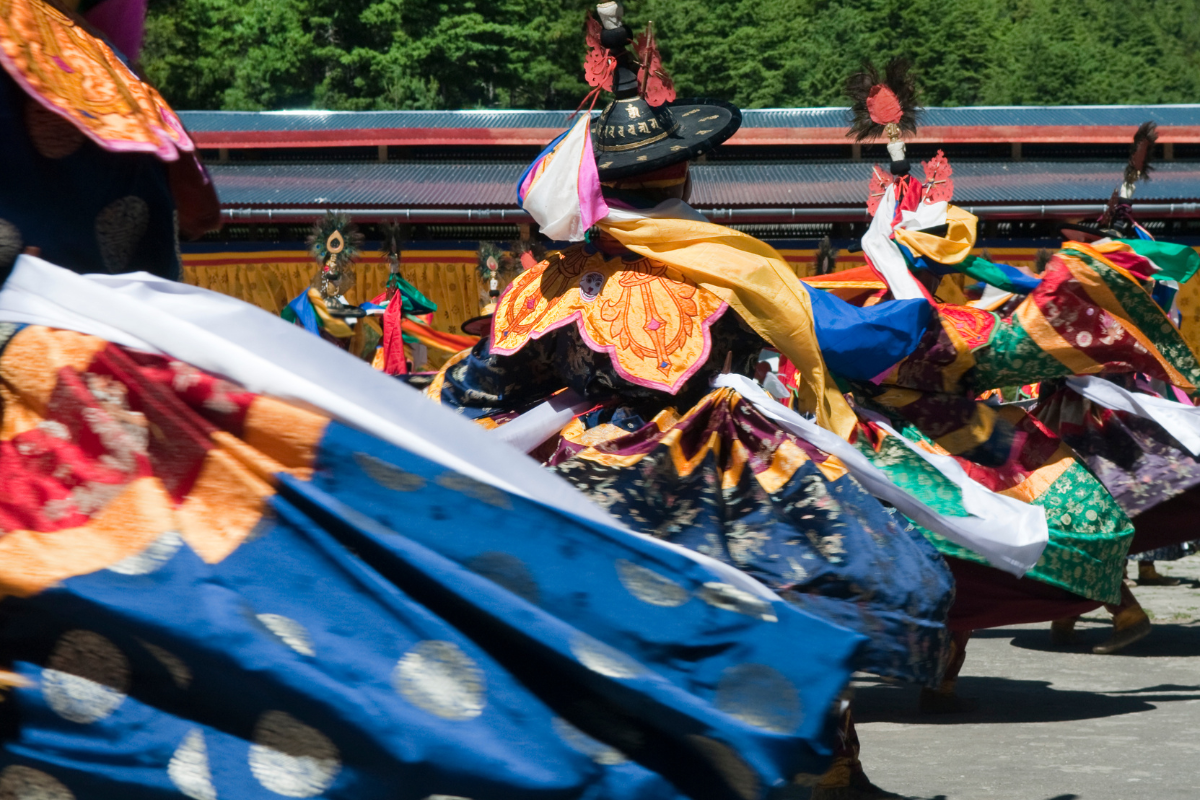
Bhutan’s festivals, known as tshechus, are among the country’s most captivating experiences and a major highlight for visitors. These vibrant events combine traditional masked dances, elaborate rituals, and colourful cultural performances that reflect Bhutanese history, spirituality, and community life. For Australians planning to travel to Bhutan from Australia, attending a tshechu requires careful planning to make the most of the experience.
Booking early: Tshechus attract both local and international visitors, so tickets and accommodations near festival sites often sell out quickly. Securing arrangements well in advance through a licensed tour operator or the best Bhutan travel agency ensures a hassle-free experience.
Respect rituals: Festivals are deeply spiritual events. Visitors should not interrupt ceremonies, approach monks or performers without permission, or take photos where it is prohibited. Observing quietly demonstrates respect and allows for a more meaningful connection with the culture.
Dress appropriately: Modest attire is essential. Cover shoulders and knees, avoid bright or flashy colours that may distract from the sacred performances, and wear clothing suitable for long periods of standing or sitting outdoors.
Plan around weather: Many festivals take place in open courtyards or remote valleys. Weather conditions can change rapidly, so layered clothing, comfortable footwear, hats, and sun protection are recommended. Carrying a light raincoat is also useful, particularly during spring or monsoon months.
Attending a tshechu offers a unique opportunity to witness Bhutan’s living culture, connect with local communities, and experience traditions that have been preserved for centuries. For Australians, it transforms a trip into a truly unforgettable journey that combines spirituality, artistry, and cultural immersion.
Conclusion
Travelling to Bhutan from Australia offers a once-in-a-lifetime chance to explore one of the world’s most peaceful and culturally vibrant countries. Visitors must understand Bhutan’s visa requirements, which are arranged through a licensed tour operator, and follow local customs, including temple etiquette and respectful dress codes.
Choosing the best Bhutan travel agency ensures smooth planning, from accommodation and transportation to guided tours. Bhutan places a strong emphasis on sustainable tourism, encouraging travellers to minimise plastic use, support local artisans, and respect natural landscapes.
By following these guidelines, Australians can enjoy a safe, responsible, and deeply enriching journey, while contributing positively to the preservation of Bhutan’s culture, environment, and the wellbeing of its local communities.